Last Updated on March 9, 2026 by Sammie
Top Unique Things to Do in Kyoto
Check out my list below on the best things to do in Kyoto, along with some alternatives if you want to avoid the crowds 😉.
Disclosure: I earn a small commission if you make a purchase through my links at no additional cost to you! The income goes to keeping this site updated and free for everyone!
Planning your time in Kyoto will depend on how much public transit you want to deal with. But fear not! The public transit is not as scary as it seems.
Why Visit Kyoto?
Besides the fact that Kyoto served as the imperial capital for over 1,000 years, Kyoto is renowned as the best place to experience traditional Japanese culture. Due to its importance to the country for such a long period, Kyoto has retained much of its historical and cultural significance. Nowadays, it’s known for its tea culture, geisha districts, zen gardens, and its long list of 14 UNESCO World Heritage sites.
This place is like a living museum blending the past and present of Japan. There are, of course, thousands of temples and shrines to see, and even if you live here, it would be difficult to see them all. You would be doing yourself a disservice if you didn’t take the time to take some time here, if you know what I mean.
Kyoto has made a name for itself for its beautifully, meticulously maintained Japanese gardens, which can cleanse and heal the worst of ‘em. There is also a deep appreciation for Japanese craftsmanship, which offers a great excuse to spend some yen.
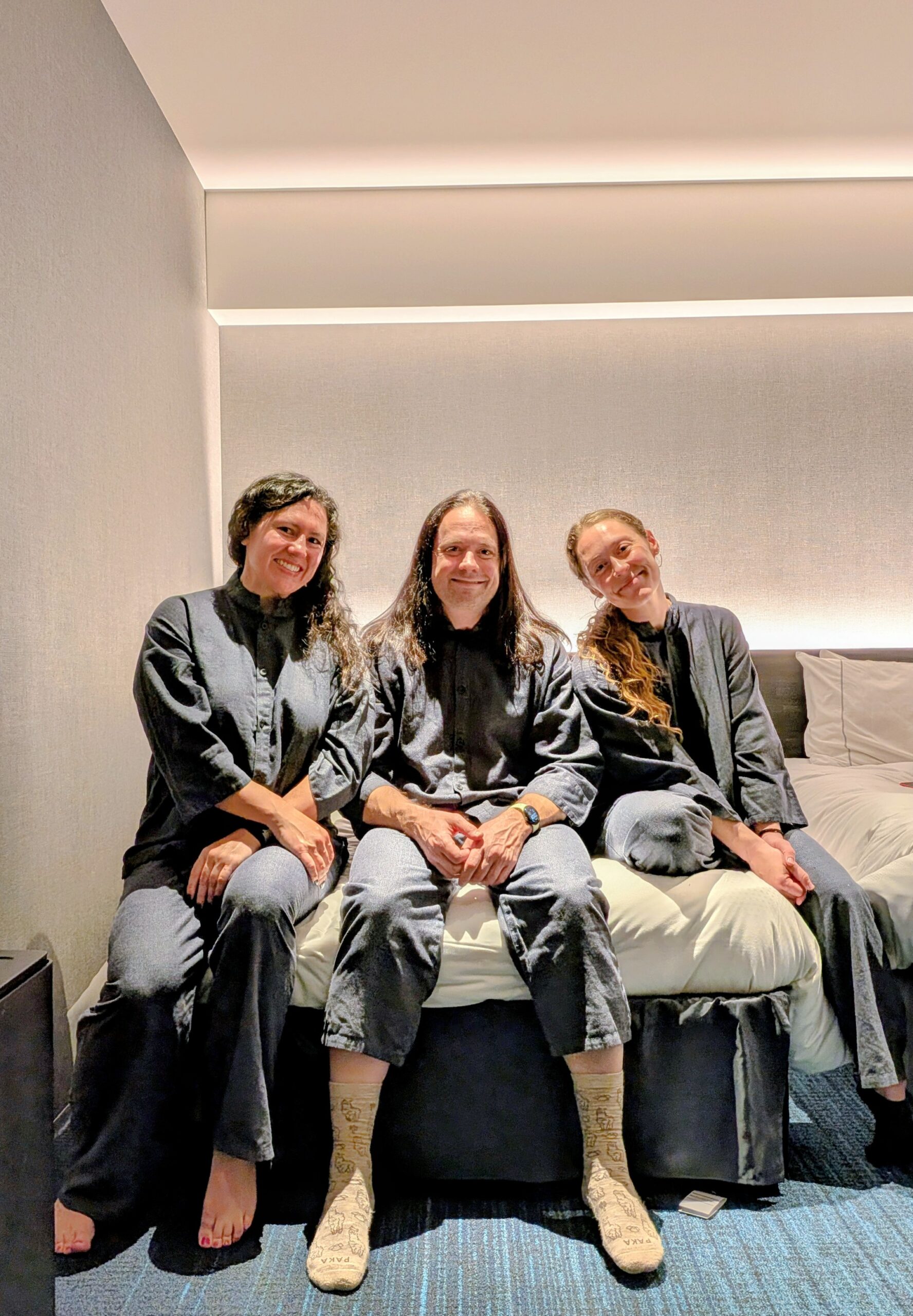
When the hotel provides you with matching pajamas, you take advantage of it.
People (including me!) cannot speak highly enough of this remarkable Japanese city. I just wish I had spent a few extra days here. But I’ll plan to go back before I move out of my home in Macau.
THINGS TO NOTE FOR JAPAN:
There are no trash cans available publicly. You may think I’m exaggerating, but I’m not—honest to goodness, no trash cans. My sister and her boyfriend were relentless about my informing you all. They wanted me to let you guys know. This is your PSA.
Where is Kyoto?
Kyoto is located on Japan’s central Honshu island, in the Kansai region. It’s only 30 miles northeast of Osaka and 225 miles west of Tokyo, so don’t try to walk there. Kyoto is both a city and a prefecture of Japan. You can think of prefectures as states or provinces of Japan.
Kyoto City is located…
- 13.2 miles or 21.3 kilometres north of Uji (famous for matcha)
- 28.3 miles or 45.5 Kilometres north of Nara (famous for its free-roaming deer and Great Buddha)
- 34.5 miles or 55.6 kilometres northeast of Osaka (famous for its food scene)
- 223.7 miles or 360 kilometres east of Hiroshima (famous for being the first city targeted by an atomic bomb)
- 285.2 miles or 459 kilometres southwest of Tokyo (famous for its futuristic technology, food, and fashion)
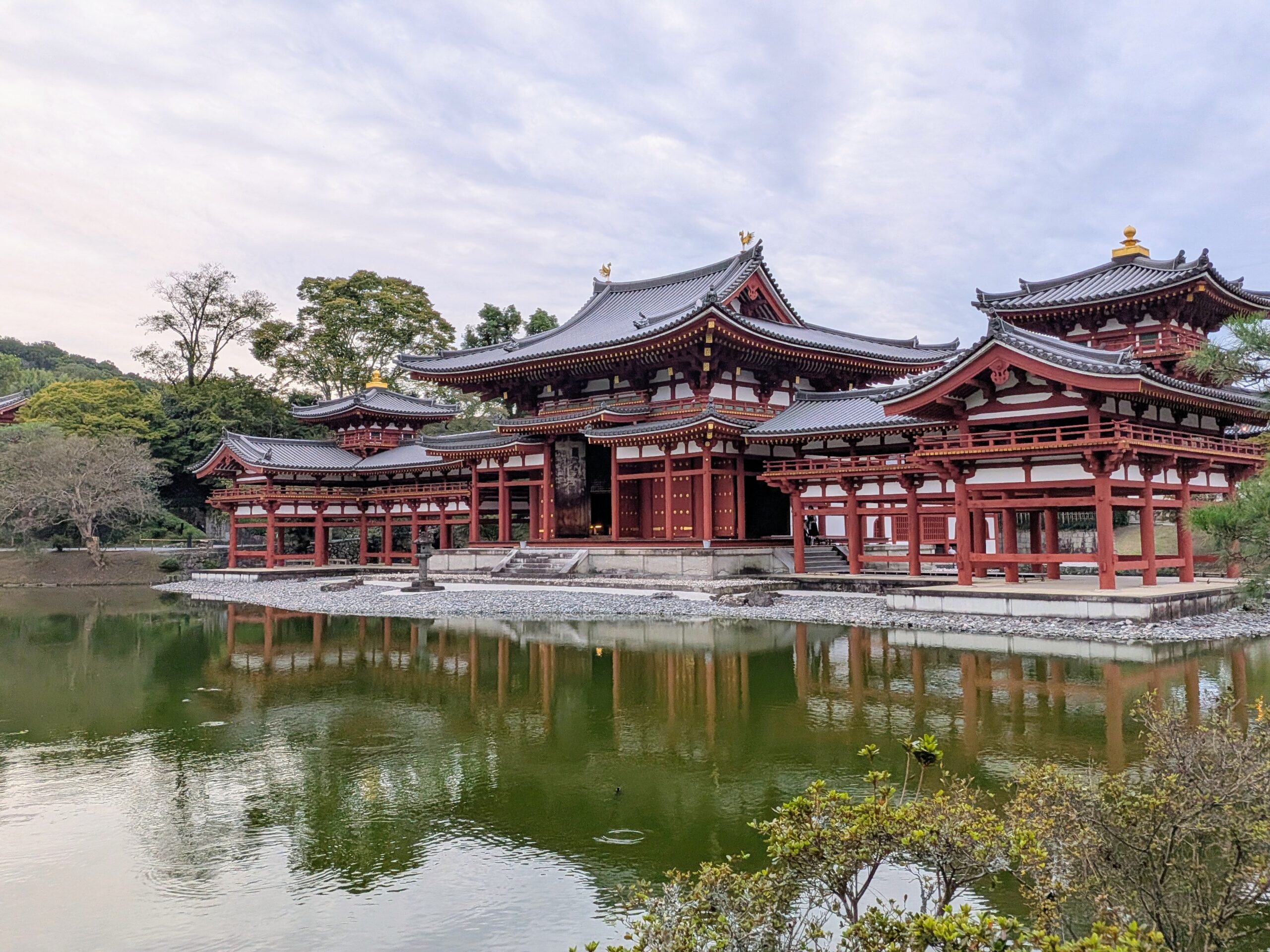
Byōdō-In in Uji, Japan
Things to do in Kyoto
I could make a list of over 100 things to do in Kyoto, but I’m not sure anyone has time for that. Instead, I will break it into the most popular things to do in Kyoto and the more unique things to do in Kyoto.
Most Popular Things to Do in Kyoto
(And alternatives to beat the crowds)
1. Kiyomizu-dera Temple
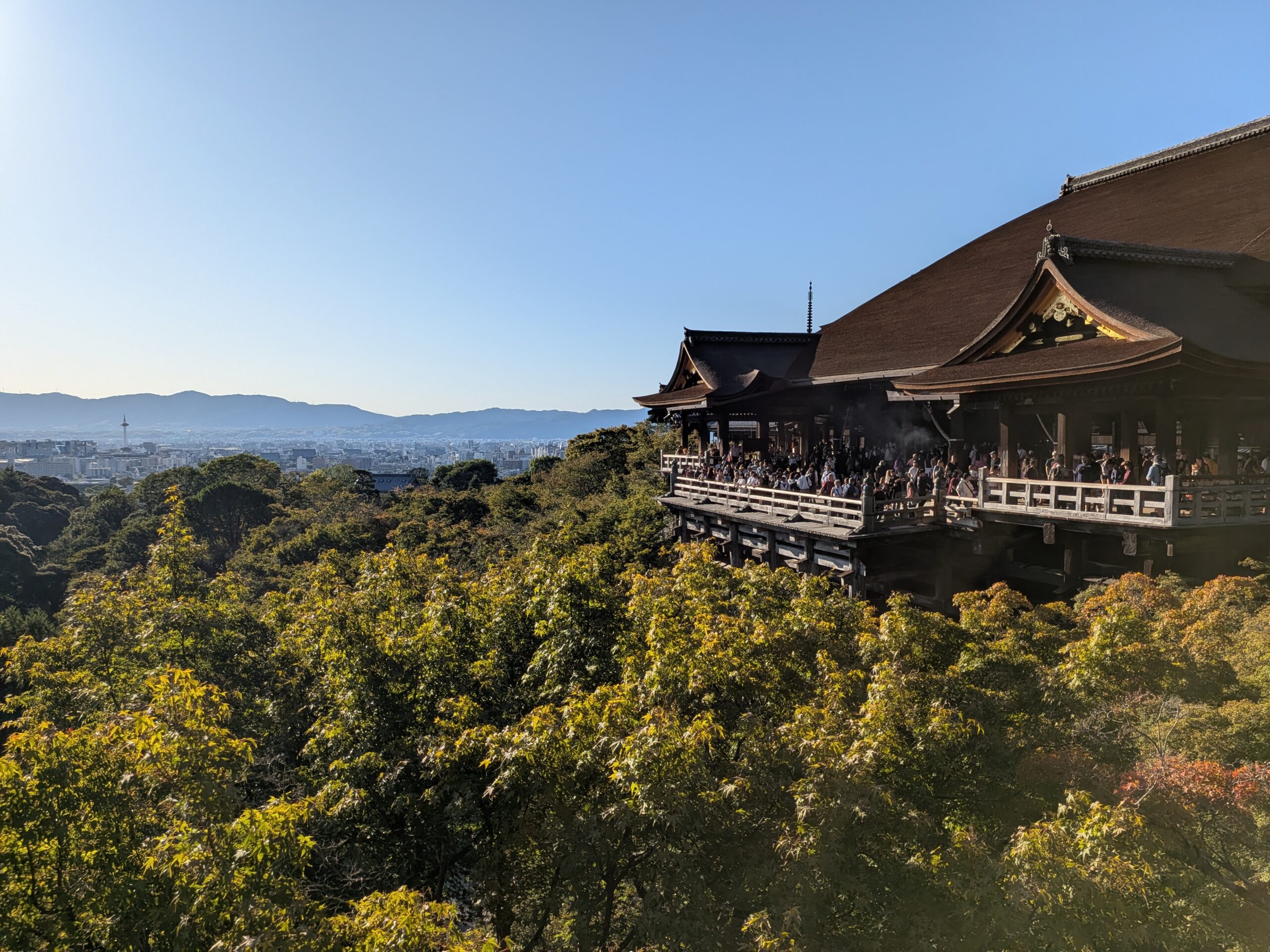
The Kiyomizu-dera temple has become one of the top attractions in Kyoto for several reasons. For historical significance, this temple is a prominent training hall for the innermost secret teachings of Tendai Buddhism. It’s located within thick tree groves that reflect the changes of the seasons, set atop Mount Higashiyama. The temple offers visitors a panoramic view of the city from its famous large wooden stage, built (impressively) without nails
Alternative to Kiyomizu-dera Temple?
YES
Shōgunzuka Seiryū-den
If you’re looking for a historically significant, visually stunning temple that reflects the beauty of each season, consider heading to Shōgunzuka Seiryū-den instead. Some say it is the single best vantage point to view Kyoto from a bird’s eye view. The temple is tied to the story of Emperor Kanmu, who is said to have prayed atop mound Shōgunzuka before deciding to make Kyoto Japan’s capital.
2. Fushimi Inari Taisha
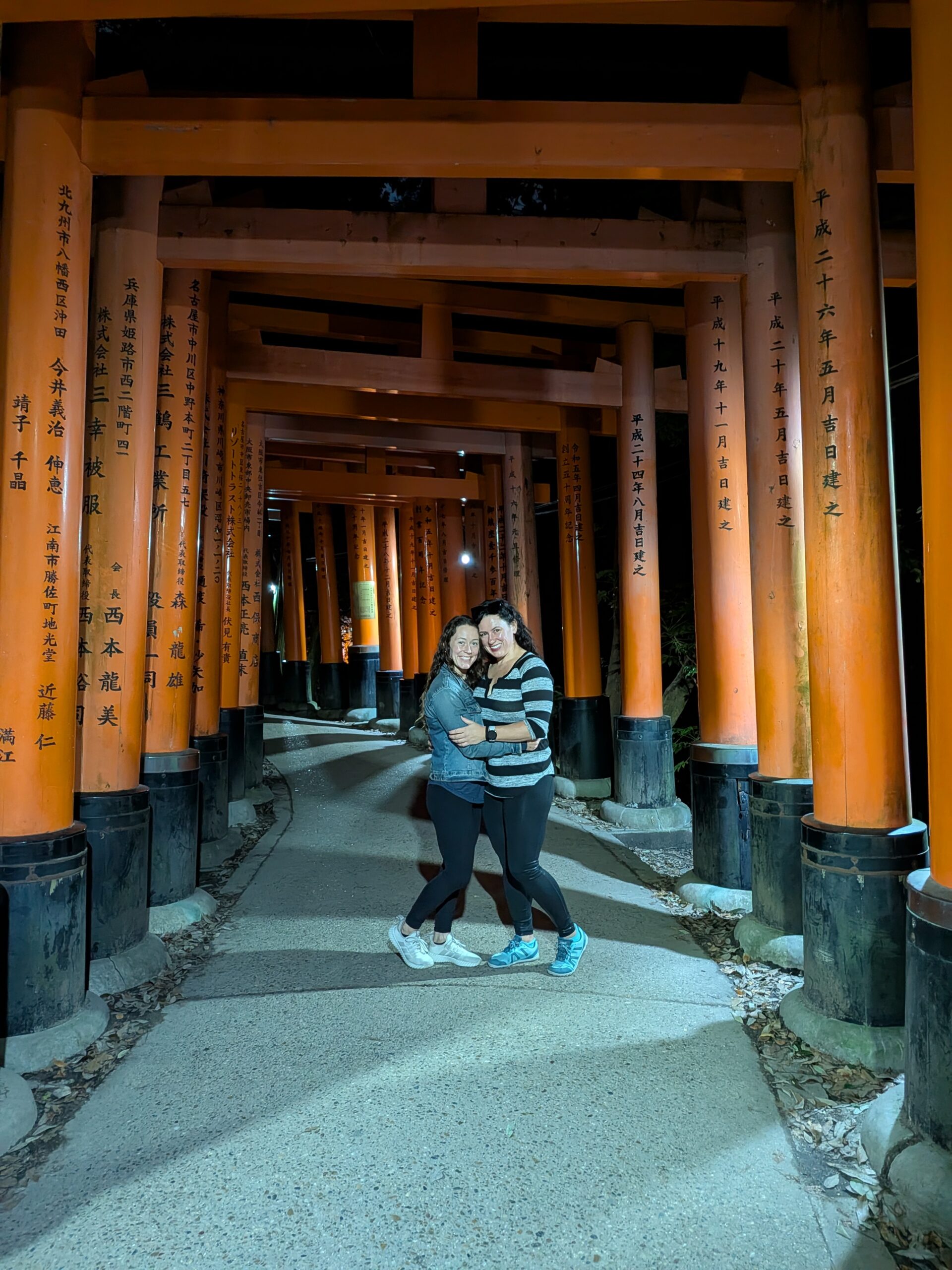
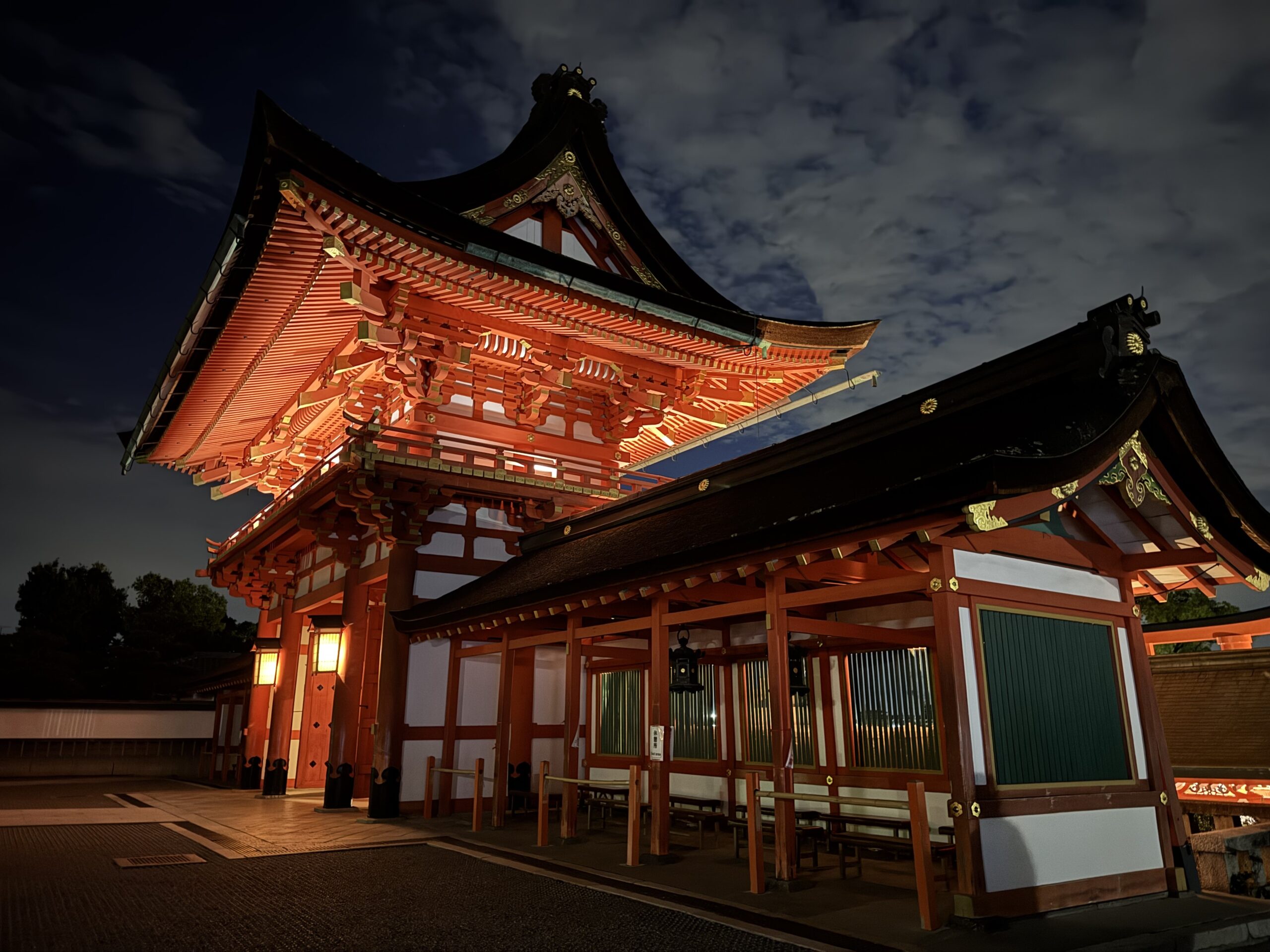
Ah yes, the shrine of 1,000 gates! Fushimi Inari Taisha is iconic in Kyoto. Known for its stunning red torii gates, guiding visitors up the mountain. The shrine is the head shrine dedicated to Japanese Shinto culture, specifically Inari, the god of rice, sake, and prosperity. The gates have been accumulated through donations by individuals and businesses and now create a mesmerizing path up the mountain, rewarding visitors with greater views the higher they go. The higher you climb, the fewer tourists you’ll encounter.
I’d highly suggest trying to make it to the top. The higher you go, the better the photo ops! Plus, to be able to walk amidst the stunning gates seemingly alone is an experience that will stick with you. The loop from top to bottom can usually be done in about 2-3 hours. Try to find kitsune (fox statues), which serve as Inari’s messengers, as you walk along!
Alternative to Fushimi Inari Taisha?
NO
Unfortunately (or maybe fortunately!), there is no alternative here. If you’re truly against the crowds, Fushimi Inari Taisha is open 24/7. You can come in the middle of the night to get some peace and quiet.
3. Arashiyama Bamboo Grove
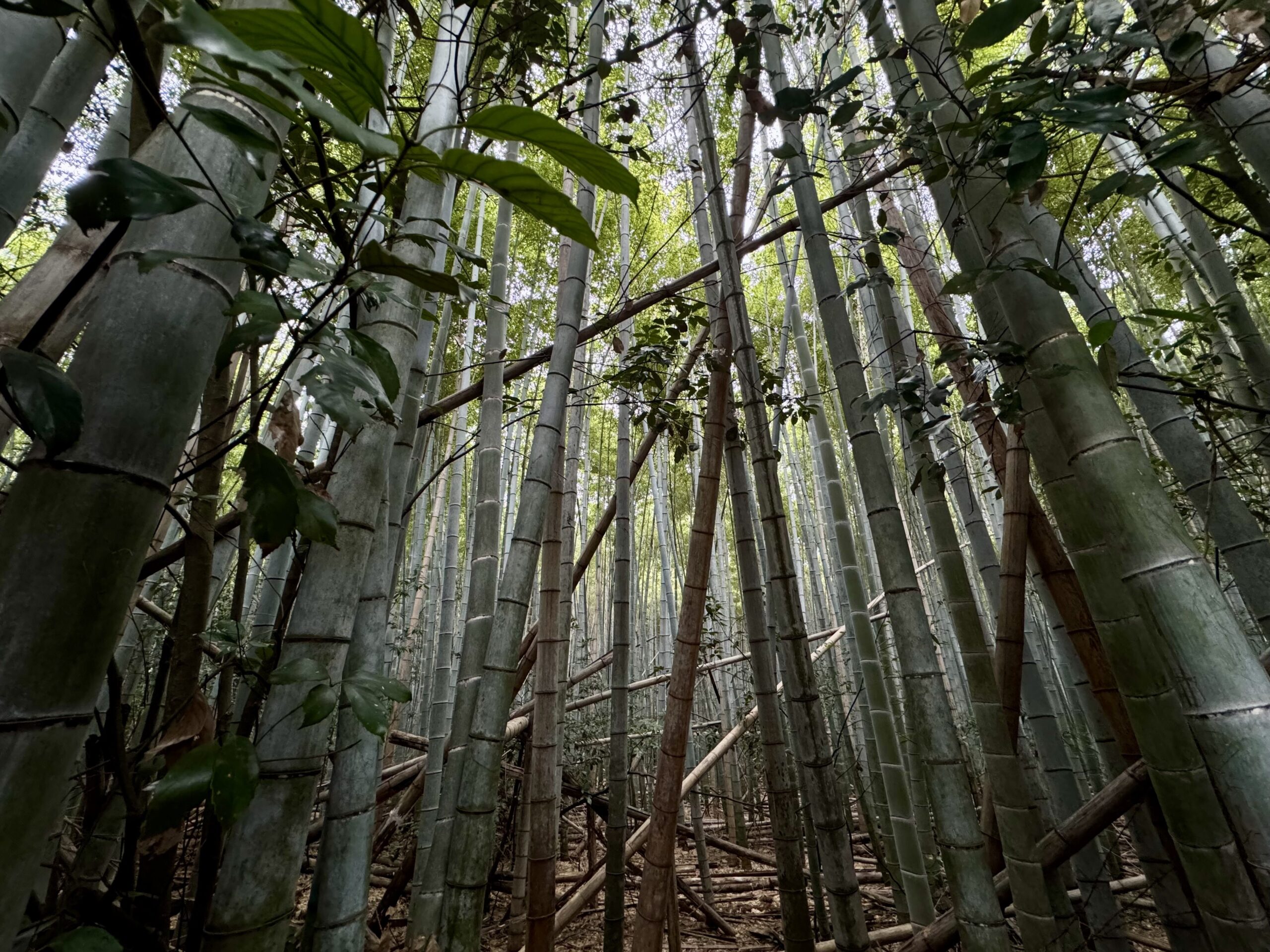
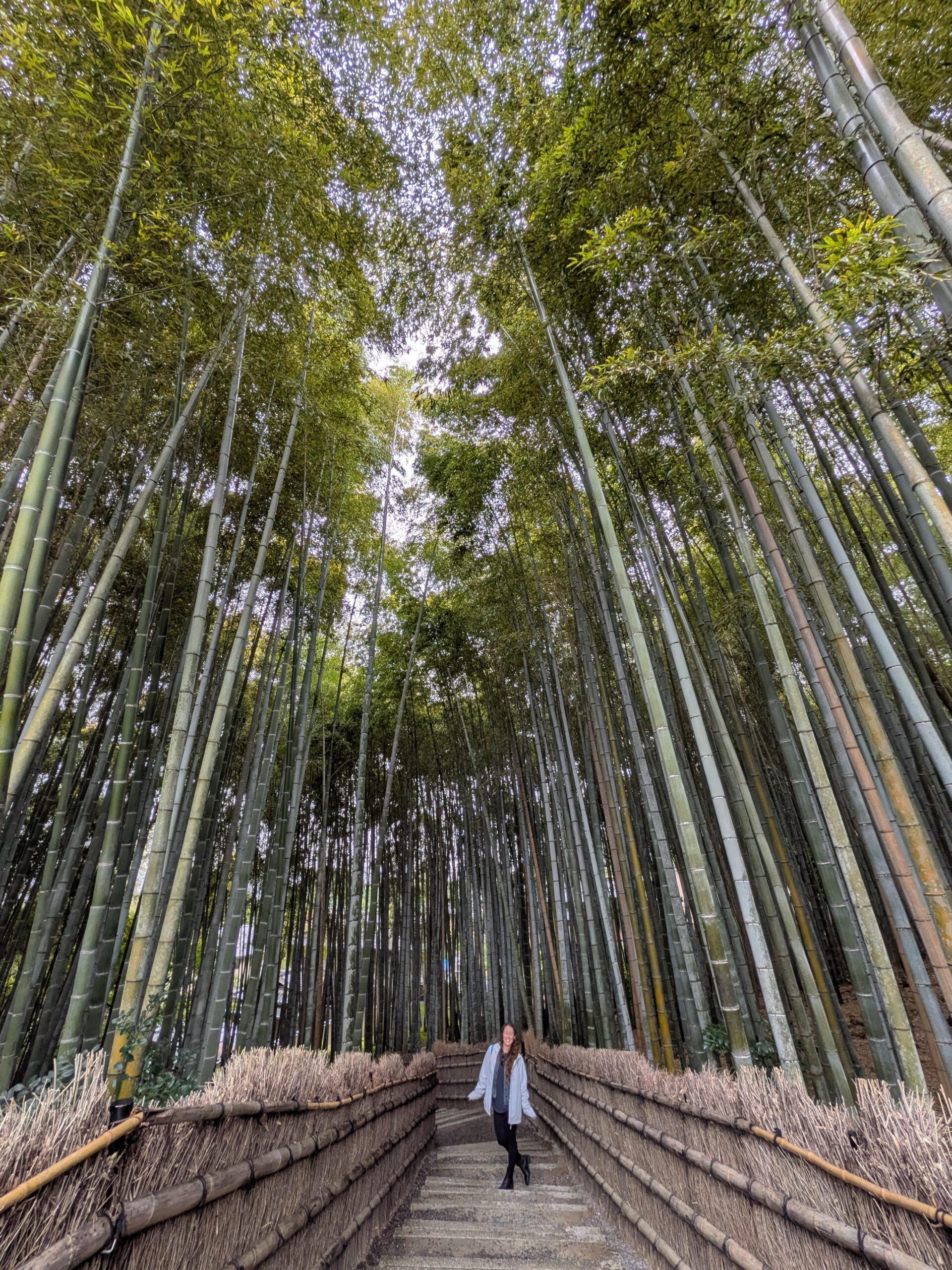
Many come to Kyoto with a few things in mind, and visiting THE bamboo forest is one of them. Arashiyama’s claim to fame is its winding walkway through towering fields of bamboo. Every other meter is a new iconic photo spot opportunity. That is, if you can push your way through the crowds to pretend like there’s no one else around in the photo.
It was a beautiful experience, but one that wasn’t as photo-opportunistic as I would’ve liked. Every time I wanted to take a picture of the serene landscape, another unfamiliar bobblehead popped up in the frame. Annoying. But it’s worth the travel if you’re willing to be there at the very opening. This way, you can enjoy the real tranquility the forest gives back.
Alternative to Arashiyama Bamboo Grove?
YES
Giō-ji Temple or Adashino Nenbutsu-ji Bamboo
On the other hand, if you want the vibe of serenity and traditional Japanese aesthetics, consider the different options of Gio-Jo or Adashino Nenbutsu-Ji. Gio-Ji Temple is a small otherworldly experience with its enchanting moss garden.
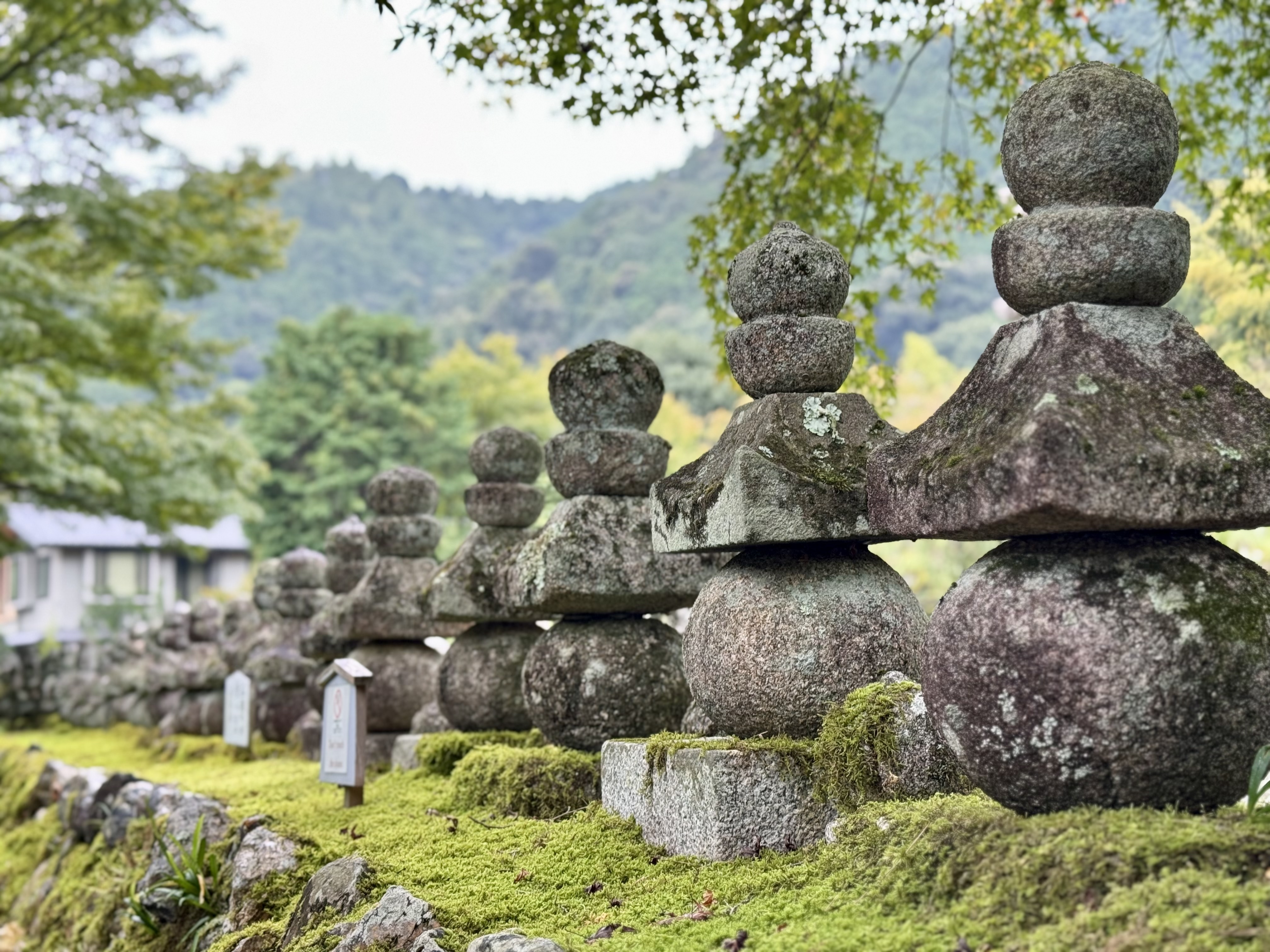
If you need that bamboo fix, check out Adashino Nenbutso-Ji. The shrine itself has thousands of stone heads honoring forgotten souls. Within the grounds of the shrine, there is a unique, smaller bamboo grove that offers gorgeous photo opportunities. I highly recommend grabbing your photos here.
4. Gion District
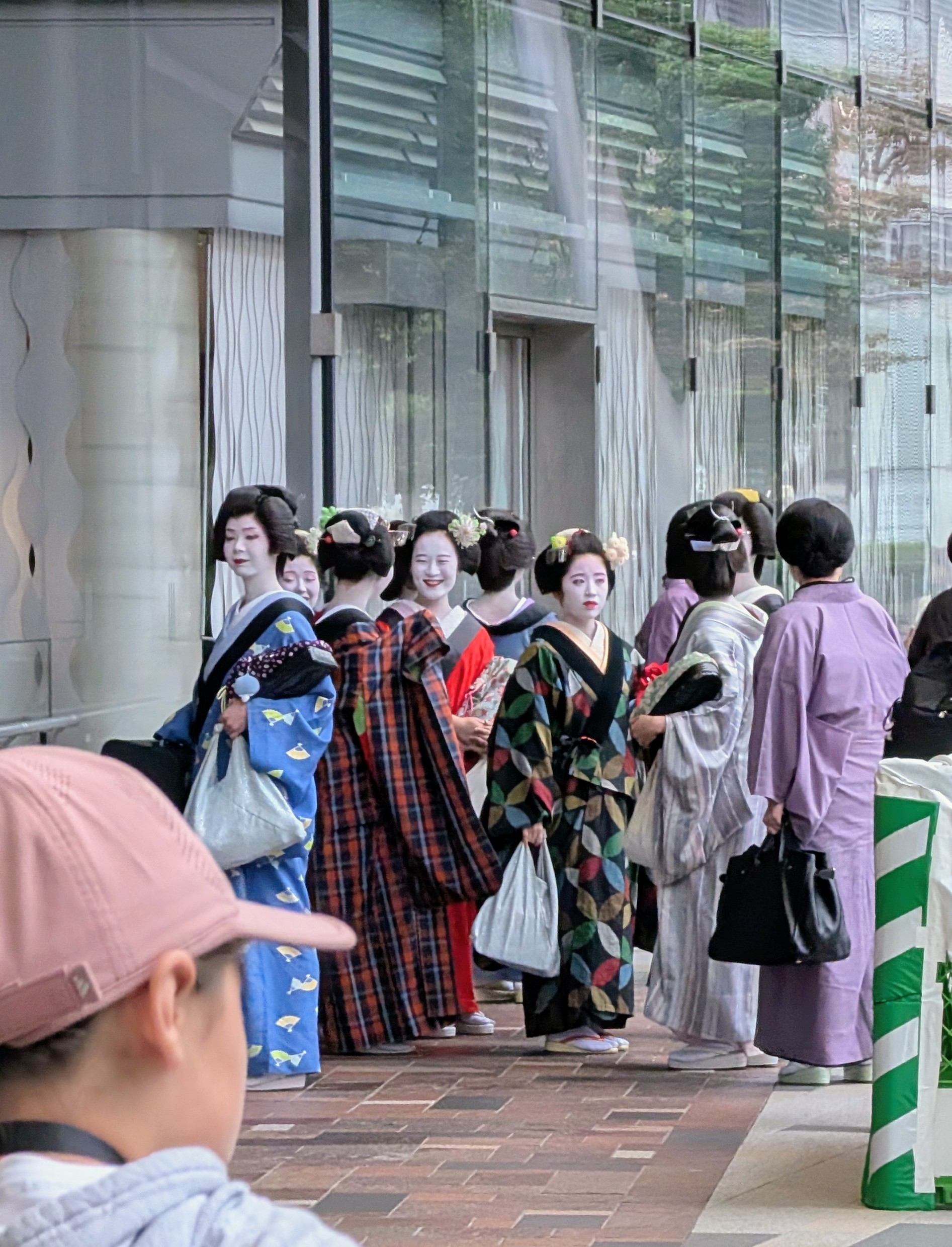
Known for giving visitors a glimpse into traditional Japan. You may have heard of Gion as THE thing to do in Kyoto to spot Japan’s iconic geishas, but there’s far more to this area than stalking a working woman. I mean this with love, of course, but please be respectful if you are dead set on snapping a photo of these women.
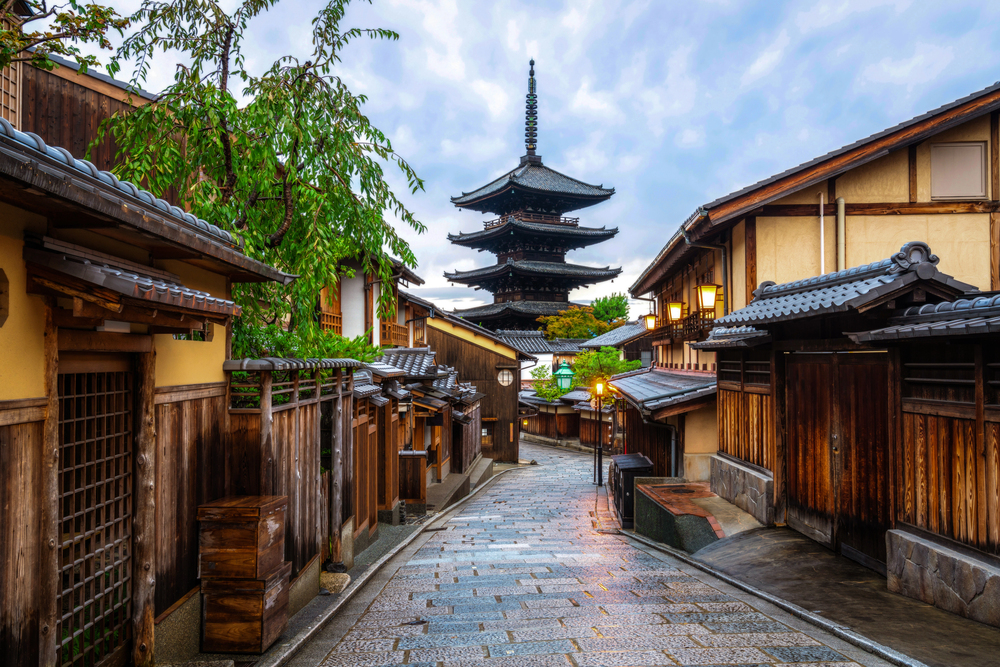
The Gion district in Kyoto is lined with gorgeous wooden machiya houses, traditional teahouses, and beautiful canals. You should check out Shirakawa if you have the time. It’s a beautiful area lined with weeping willows, romantic stone bridges, and incredible restaurants along the river.
Alternative to Gion District?
YES
Saga-Toriimoto Preserved Street or Kamishichiken
Saga-Toriimoto Preserved Street will be a great alternative to the Gion district if you want an authentically traditional option. Here you’ll find beautiful historic machiya houses, thatched roofs, and serene temples. There are also tons of craft shops and tea houses, and best of all, far less foot traffic.
Go to Kamishichiken if you want a quieter more authentic alternative to Gion. This is Kyoto’s oldest geisha district. Here you’ll be enticed wth the subtlety of local Japanese life. Similar to Saga-Toriimoto Preserved Street, you’ll find lots of traditional architecture, textile shops, and intimacy. This will give you a genuine glimpse into geiko/maiko culture.
5. Nishiki Market
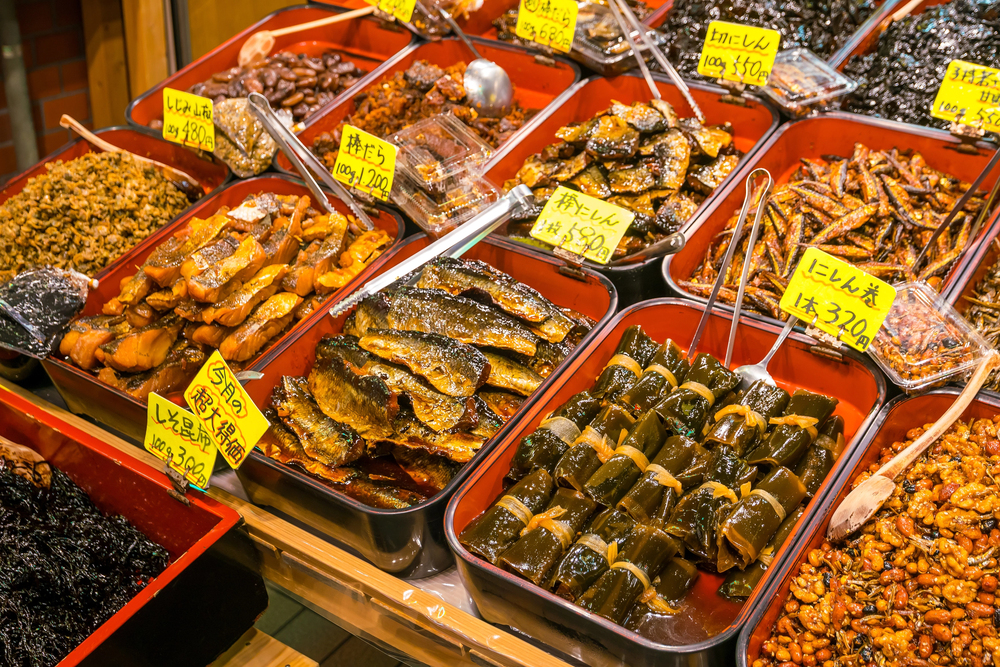
Check out Kyoto’s kitchen! If you plan your travel around your stomach, this will be a great stop for you. Crowded? Yes. Worth it? Yes. The Nishiki Market lets you try everything from matcha sweets to specialty pickles to the highest quality wagyu beef skewers. Make sure you go for lunch rather than dinner because the stalls tend to close around 5:00 PM.
And if you’re not hungry but with a group that is determined to go, there is plenty of souvenir shopping that can be done here. There are specialty ceramics, handcrafted chopsticks, and foodie gifts. If you DO try some of the food there, make sure you don’t walk and eat. It’s bad manners. Find a spot near the food stall or on the side and enjoy your food in relaxation.
Alternative to Nishiki Market?
YES
Sanjo Shotengai Arcade
If a giant food hall bubbling with people isn’t your thing, but your stomach wants to check out the Kyoto food scene, Sanjo Shotengai has a similar vibe that isn’t as well-known to visitors. It has nearly 180 mom and pop shops selling everything from Okinawan-style izakaya to donuts to curry. It’s near Nijo Castle so you can hop from one to the other.
6. Philosopher’s Path (Tetsugaku no Michi)
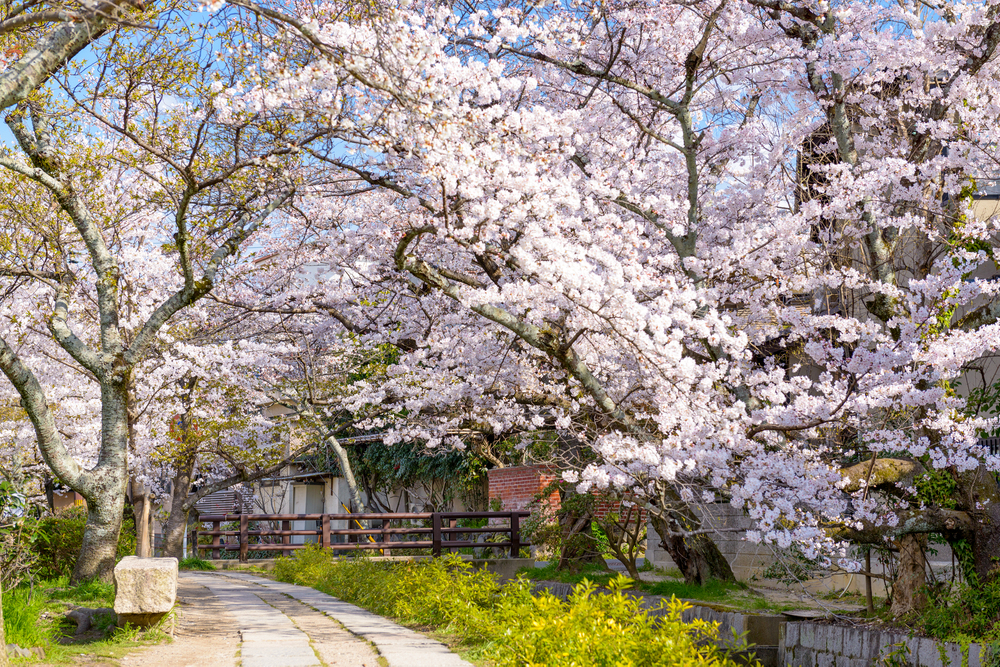
Japan is famous for its natural beauty, running counter to its city life. Philosopher’s path is no exception. The famous canal is lined with cherry blossom trees that are bursting with varying shades of white and pink in the spring and all the crazy fiery colors of red, orange, and gold in the autumn. This path is famous after the influential Japanese philosopher Nishida used this location to meditate between the Ginkaku-ji and Nanzen-ji temples. It still offers a quiet, contemplative environment for those seeking quiet beauty and introspection.
Alternative to Philosopher’s Path?
YES
Hōnen-in Temple
Not a cherry blossom-lined path, but Honen-In Temple is a great alternative for those seeking quiet natural serenity. It’s famous for its lush mossy grounds and seasonally changing sand mounds called Byakusadan. It’s a zen escape that can quiet the mind and offer the same tranquility as the Philosopher’s Path.
7. Kinkaku-ji (Golden Pavilion)
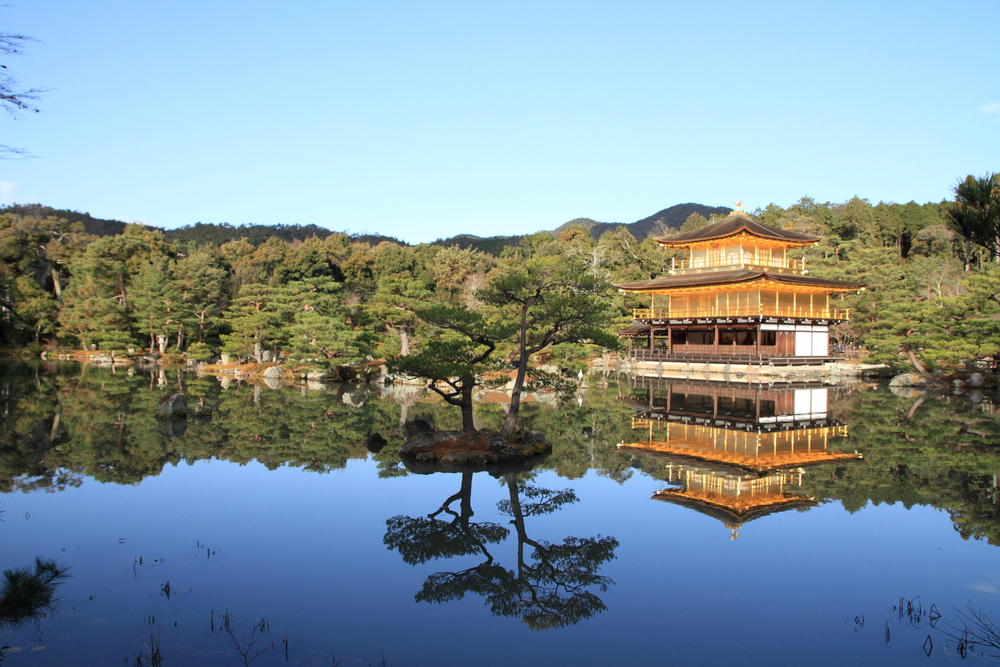
Where else can you find a gold leaf-covered structure so beautiful it will take your breath away? The answer: nowhere. One of Kyoto’s UNESCO World Heritage sites, the Golden Pavilion is an iconic site of Kyoto. On a calm day, the mirror pond will perfectly reflect the temple, tricking the eye into seeing a replica of the landscape in the water. The temple has a unique combination of architecture taking influence from aristocratic and samurai styles. Besides the architecture, this Zen temple is a quintessential Kyoto experience. Make sure you go around opening (9:00 AM) to avoid the crowds.
Alternative to Kinkaku-ji (Golden Pavilion)?
NO
Some things simply cannot be matched. Did you know that Kinkaku-ji was originally built to be the retirement villa of a shogun? If you don’t know, because I didn’t, a shogun is another word for a supreme military leader.
8. Ginkaku-ji (Silver Pavilion)
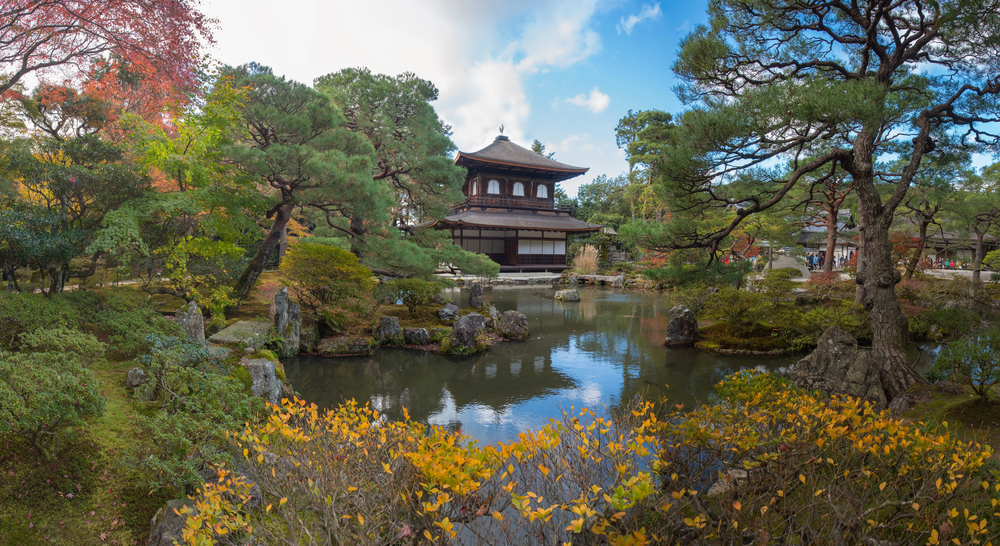
Created as a deliberate contrast to the opulent Golden Pavilion, the Silver Pavilion is beautifully understated. Based on the wabi-sabi aesthetic, this temple creates beauty not from meticulous symmetry but within its natural imperfections and simplicity. Instead of being layered in dramatic golden leaf, the temple stands as a simple wooden structure. Amidst the grounds, you can find the silver sand sea, raked to resemble ocean waves.
There are also peaceful walking trails and beautiful moss and pond areas. And if you take the short walk up to the top of the trail, you’ll be rewarded with gorgeous views of the pavilion and Kyoto. This temple and its grounds is epitamy of peak Japanese landscape design.
Alternative to Ginkaku-ji (Silver Pavilion)
YES
Entsū-ji Temple
If I were you, I’d head to the place that is the favorite of local zen garden enthusiasts. Entusū-ji is a great alternative to the Silver Pavilion because it offers true Japanese serenity and a peacefulness unmatched. It’s a hidden gem, which means there are very few tourists and you won’t be fighting the crowds as you will be doing at the Silver Pavilion. The temple is famous for its “shakkei” (borrowed landscape). The trees are perfectly trimmed to frame the landscape of Mount Hiei as if to “borrow” it for the scene of the garden. A photographer’s dream.
9. Nijo Castle
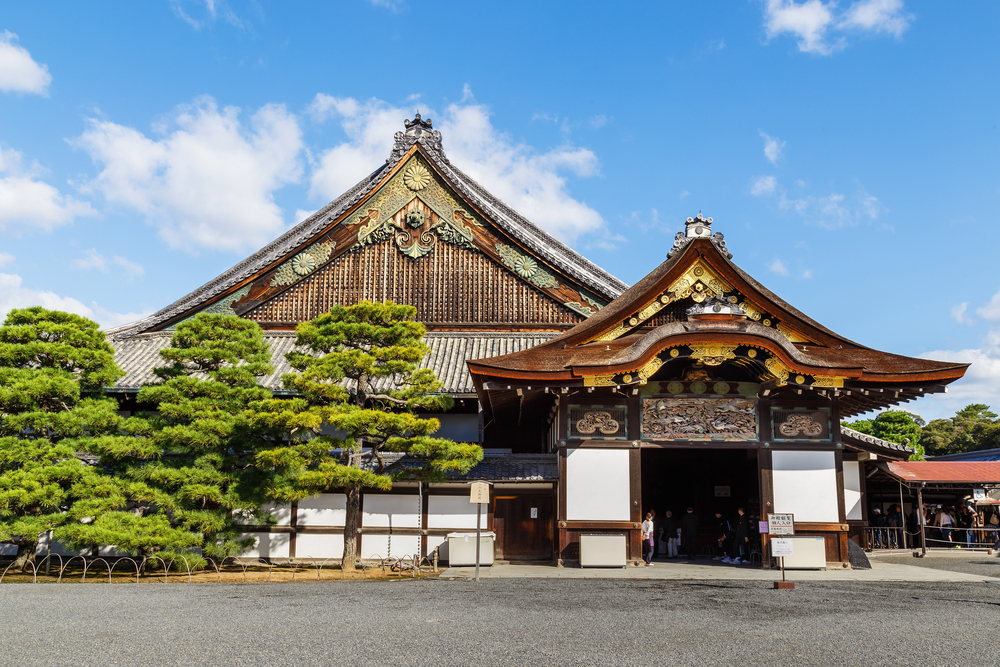
A UNESCO World Heritage Site, Nijo Castle was the former home to the Tokugawa Shoguns. Arguably, the best part of the castle is the Ninomaru Palace, famous for its nightingale floors. Historically, nightingale floors were remarkably clever Japanese security systems for their time. They were introduced to warn against potential intruders, such as ninjas, by chirping like birds if stepped on.
The Nijo Castle is a great way to experience samurai culture in all of its grandeur, and it’s great for tourists as English is widely available to understand the historical significance of the area.
Alternative to Ginkaku-ji (Silver Pavilion)
YES
Kyoto Gyoen Imperial Palace
While Nijo Castle represents the military government by means of the Tokugawa Shoguns, the Gyoen Kyoto Imperial Palace represents the imperial courts and emperors. Also to note, the Nijo Castle requires an admission fee; while the Imperial Palace is free to enter, making it a budget-friendly option. This will be a different experience, but potentially a great plan B to escape the crowds. Stop by the National Garden for some tranquility and the seasonal beauty of the cherry blossoms.
10. Sanjūsangen-dō Temple(The Hall of 1,001 Kannon)
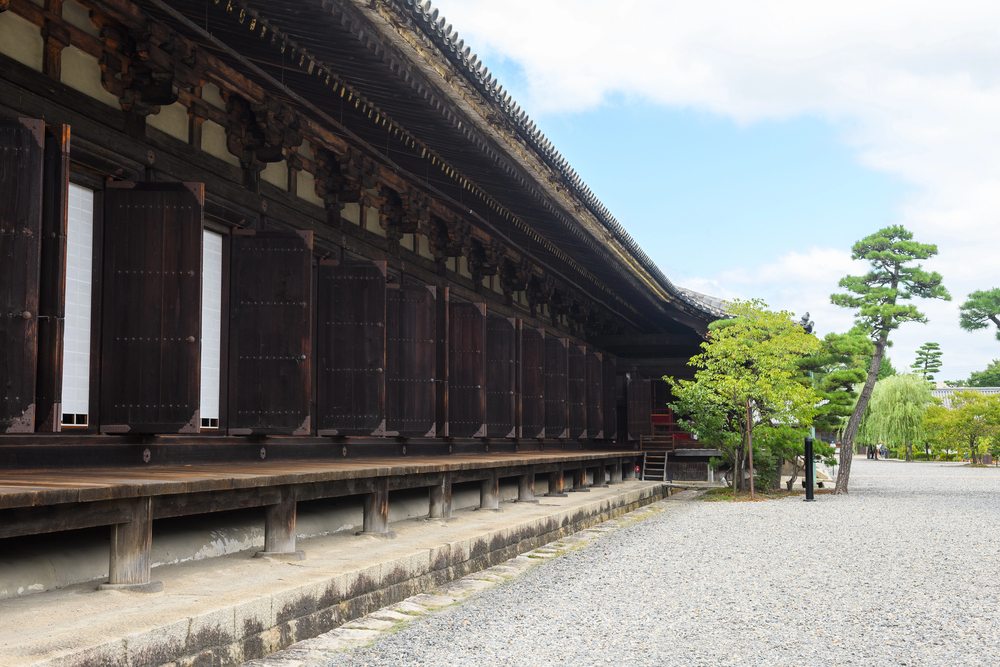
NOTE: Photography is strictly prohibited inside the main hall to respect the sacred atmosphere.
Sanjūsangen-dō Hall itself is an impressively long, massive structure. Standing at 18 meters tall and 180 meters long, it’s Japan’s longest hall (I guess someone had to make it). Some may find the hall itself the most astonishing, but the majority will have their breath taken by the awe-inspiring sight of the 1,001 life-sized Kannan (Goddess of mercy) statues.
Each statue is hand-made with intricate, unique details. You can spend hours studying the craftsmanship of each individual statue, and you wouldn’t scratch the surface of all there is to see. If you happen to be there in January, check out the annual archery competition that takes place here. Participants (especially young adults) take part in the event, called Tōshiyato, to mark their coming of age.
Alternative to Ginkaku-ji (Silver Pavilion)
NO
The impressive sight of 1,001 armed statues is nothing that be easily replicated.
Unique things to do in Kyoto
1. Visit the city of Uji
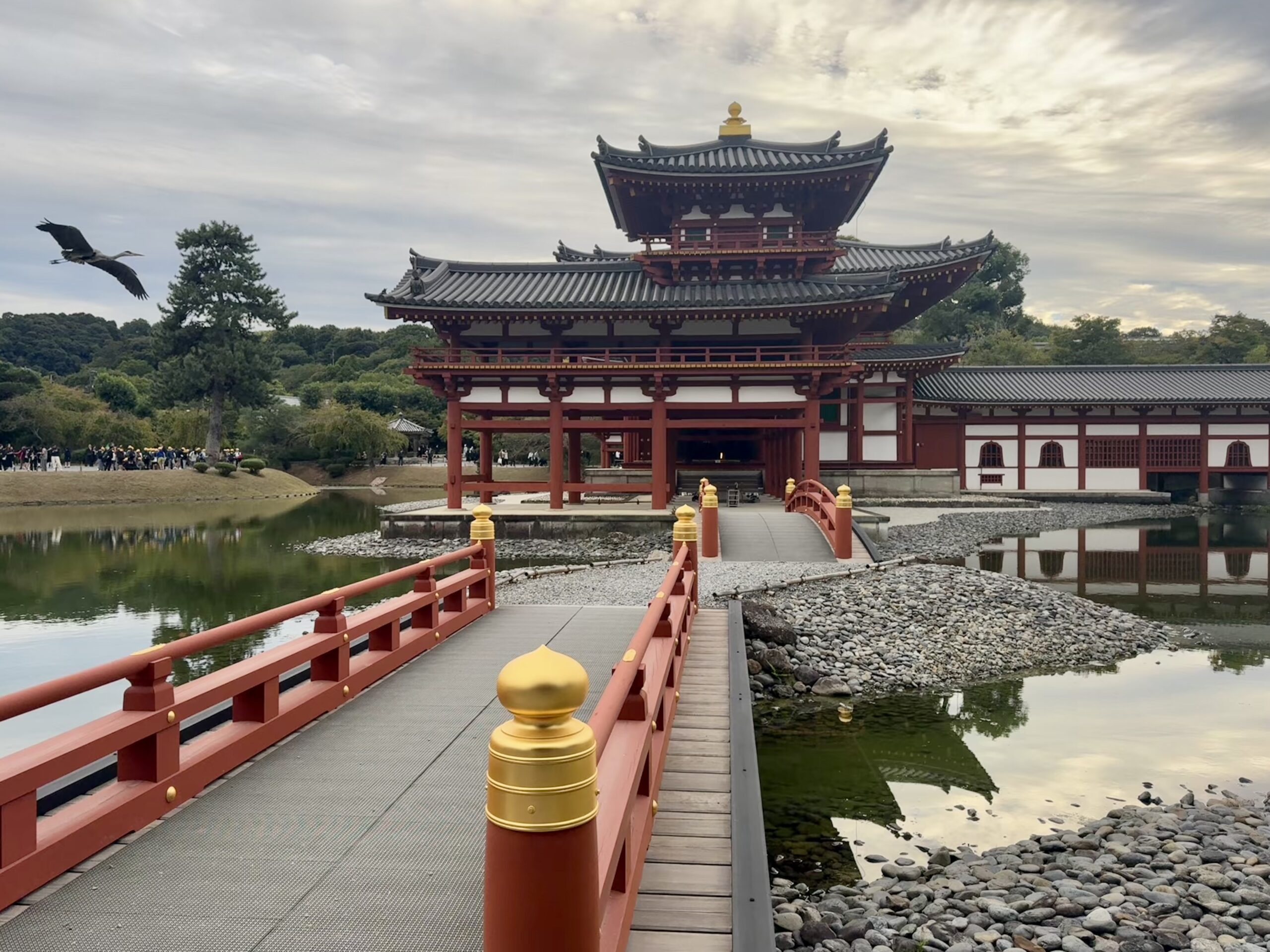
Uji is a small town, a mere 20 minutes from Kyoto, making it an easy day trip to do. With just under 180,000 people, this city attracts millions of visitors yearly. It’s lovingly known as the birthplace of matcha, but it has far more to offer visitors. Its famous Byodo-In Temple is recognized as a UNESCO World Heritage site symbolizing Japanese art and spiritual beauty. Uji is a great early afternoon adventure that gives you everything from unique food, to tea culture, to historical Japanese significance.
UNIQUE UJI EXPERIENCE
Step inside a 170-year-old heritage tea house to hand-mill your own vibrant matcha using traditional stone mills, gaining exclusive access to a historic tea room rarely open to the public. This private, 2.5-hour immersion balances Zen tradition with a gourmet feast, featuring their world-famous tea-infused noodles and signature fresh matcha jelly.
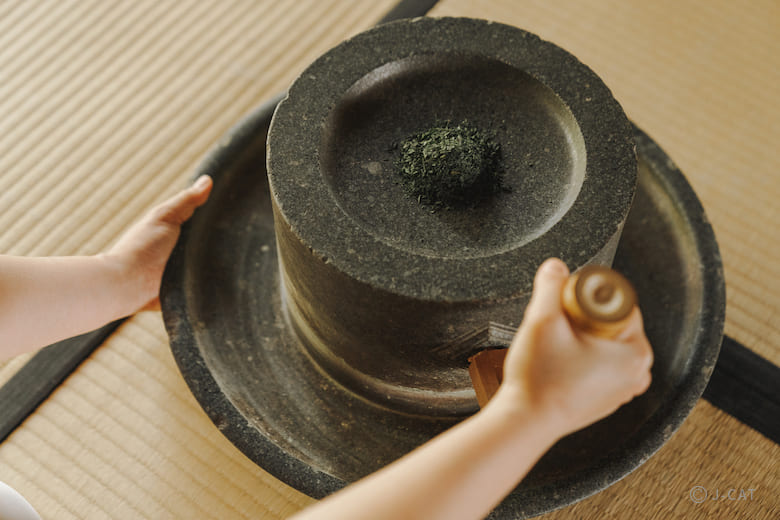
This photo contributed by Wabunka.com
This experience is offered through Wabunka, a platform that works with local Japanese artisans to make private experiences that are usually difficult for travelers to access.
2. The Nishijin District
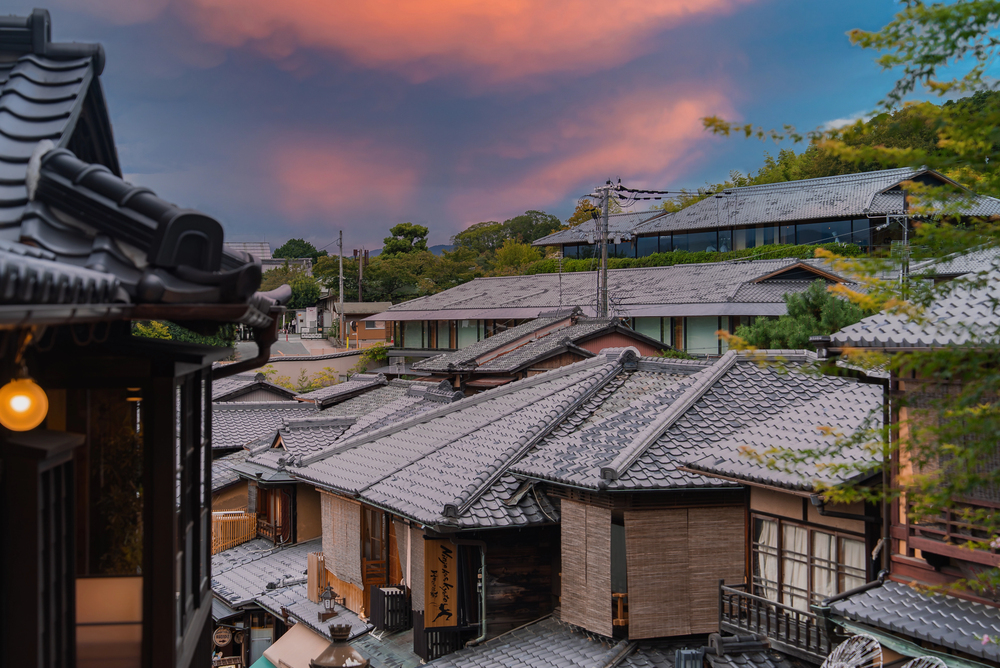
A great area to meander through for those interested in the intricate work of textiles. This area is the center of Kyoto’s 1,200-year-old weaving tradition, where they craft some of the finest silk used for their kimonos. The Nishijin District is a great thing to do in Kyoto if you or you’re traveling with someone who wants to try a hands-on artisanal workshop. There are even some free kimono fashion shows at the Nishijin Textile Center. Besides the fashion and textiles, this area is a great way to see an older side of Kyoto without the crowds.
3. Kamogawa (Kamo River) Walk
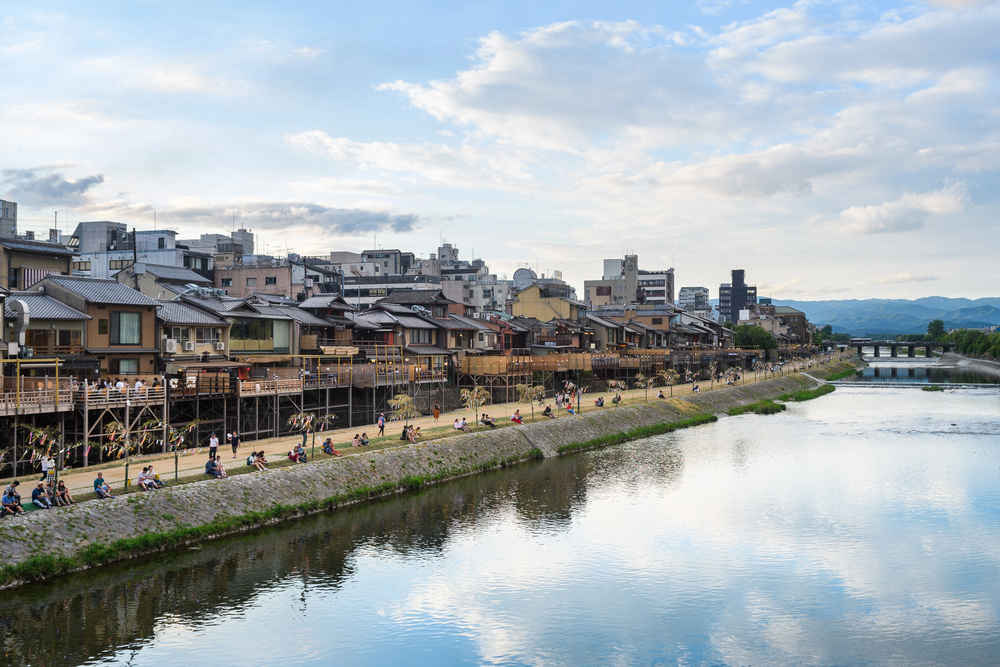
If you need a break from shrines, temples, museums, and TripAdvisor’s top 10 list, check out the Kamogawa (Kamo River) Walk. It will give you a glimpse into local life as people stop and breathe in the seasonal beauty (especially the cherry blossoms) along the water, enjoy a picnic, or simply head out for a morning jog. It’s a common area used and enjoyed by the locals of Kyoto and will give you an authentic experience of life in this beautiful city.
4. Kyoto International Manga Museum

I, myself, am not a manga manic but I wish I had taken the time while in Japan to learn a bit more about this Japanese cultural staple. What makes mango so interesting is that it shares a uniquely unified artistic vision from its creators. It also covers any and all topics you could think of. This makes it a beloved pastime for kids heading ot school or professionals on their way to work.
The Kyoto International Manga Museum showcases this artform in a library setting in an old historic school building with English widely available. It’s a unique thing to do in Kyoto to take a break from the more traditional sightseeing activities.
5. Fushimi Sake District
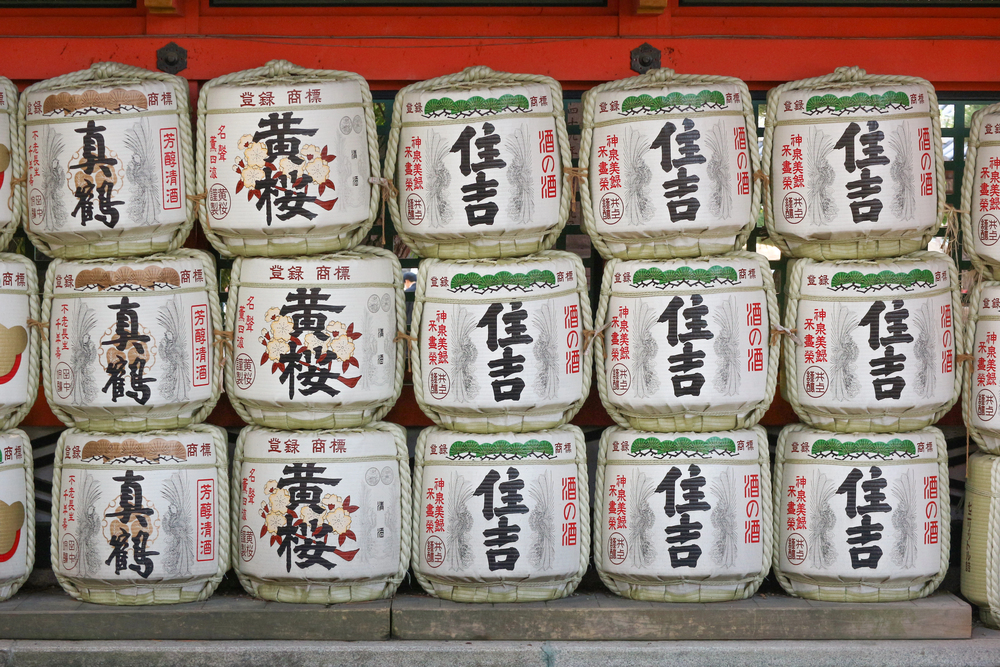
An easy half-day trip from central Kyoto. The Fushimi Sake District offers visitors sake tastings, brewery tours, unique shopping, and great food. It’s a great area to pass the time in, seeing as it’s strewn with charming canals and weeping willows. The area is simply picturesque, something out of a storybook. This area is also conveniently located if you’re thinking to head to Fushimi-Inari for a full day affair.
Need more on Japan?
Best Things to Buy in Kyoto
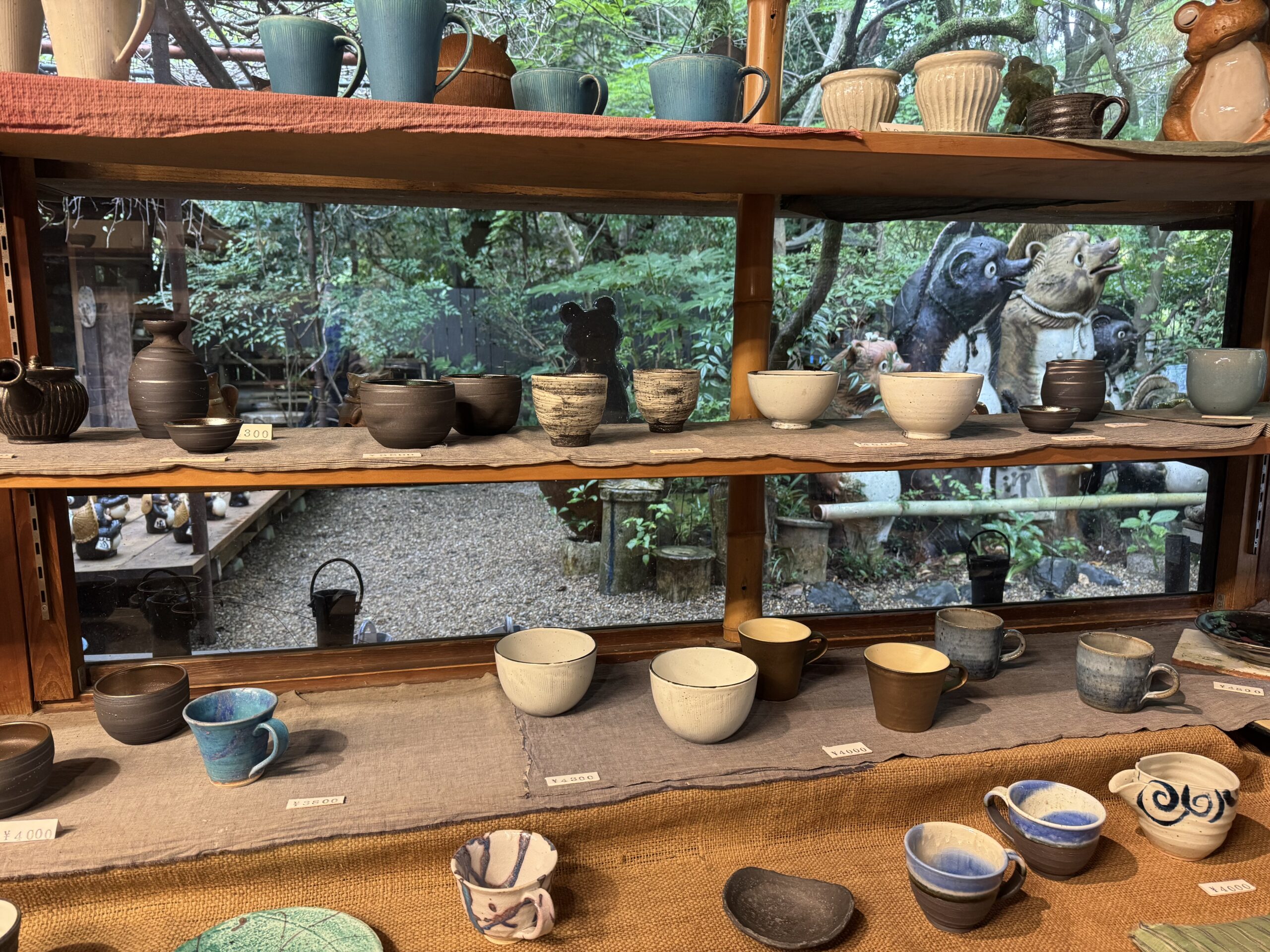
Pottery Shopping in Gojo-zaka
Pottery has a deep cultural significance in Kyoto due to its tea culture. Here you can find unqiue styles of ceramics such as Kiyomizu-ware or rustic Raku each piece made with exquisite craftsmanship.
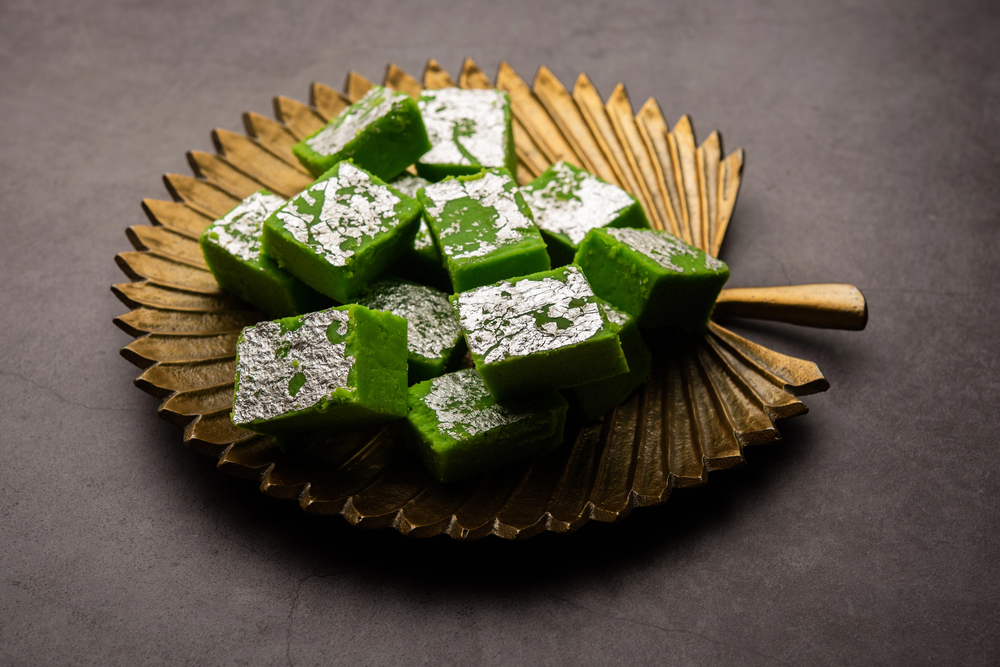
Nama Yatsuhashi (Matcha & Cinnamon Sweets)
You can’t go to Kyoto without buying Nama Yatsuhashi. It’s a confectionery sweet similar to mochi dough and commonly comes in flavors like matcha or cinnamon. There are plenty of shops that will offer free samples, and nowadays there are wide seasonal varieties if matcha or cinnamon are not your jam.
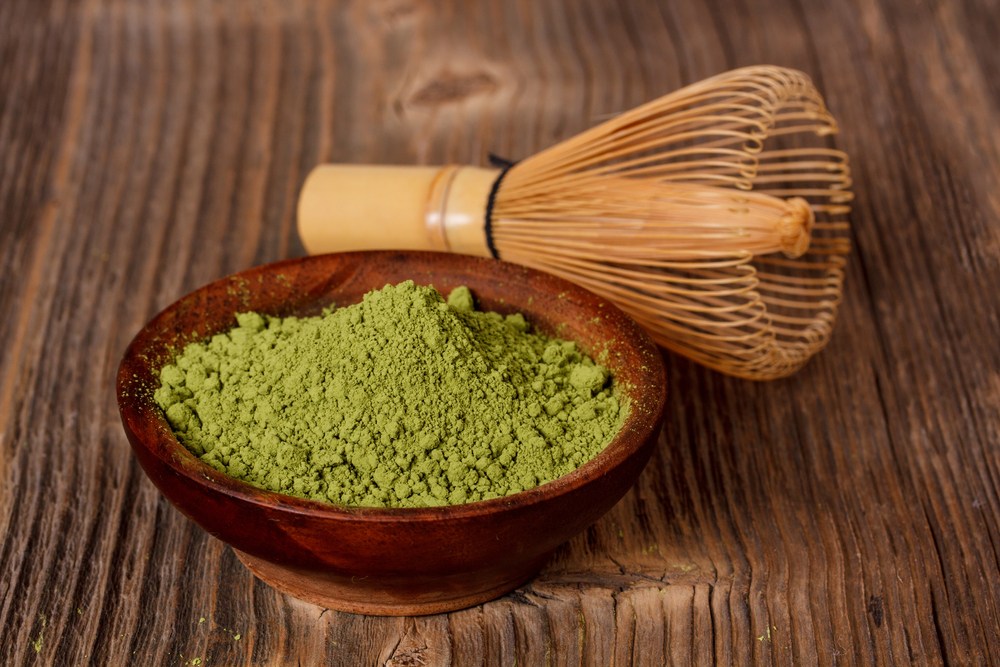
Ceremonial-Grade Matcha and Green Tea Products
Uji is a quick afternoon trip from Kyoto, and the area where you can purchase some of the highest quality matcha and matcha products in the world. Feels like a shame not to at least check it out. If you hate matcha, give it one last go here. If you don’t like their matcha, then I can finally accept that you don’t like matcha.
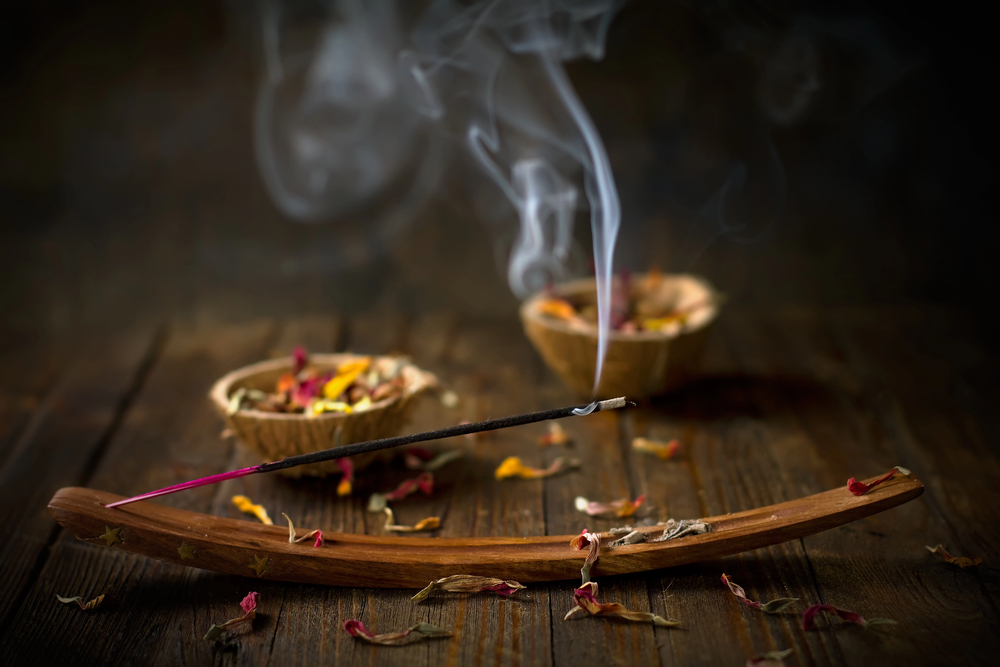
Incense
Incense has deep historic roots in Kyoto. Here you can check out storefronts that have been around for centuries, selling nothing but incense. They use high-quality traditional ingredients, but you’ll also be able to find newer, innovative scents. Check out Shoyeido, Kungyokudo if you’re interested.
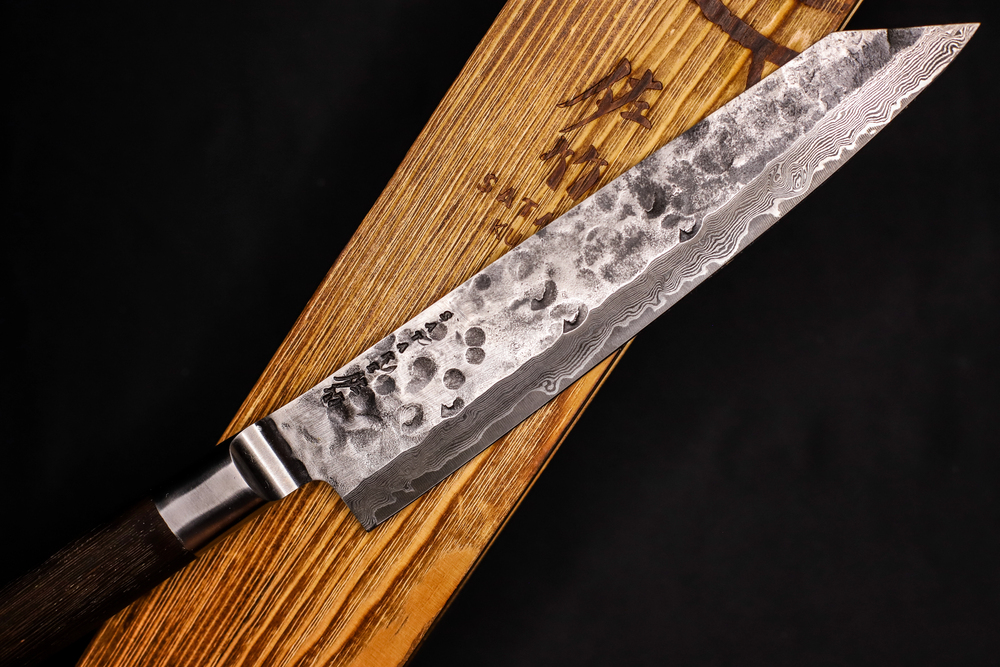
Artisan Knives
Japan is known for its knife-making skills. It goes back to the samurai sword days. These days, it’s more about crafting an exquisite kitchen tool than a weapon, but it boils down to one and the same. Buying a knife is not only a great souvenir but a unque experience in Kyoto. It often includes personalization and a deep understanding of how to use the knife properly.
Need more warmth than Japan can provide?
Tips for visiting Kyoto
- Kyoto is popular. There are lots of tour buses, and the single easiest and foolproof way to avoid crowds will be to be there when the temple, shrine ,or landmark opens (usually 6:00 AM or 9:00). Als,o check to see which sites are open 24/7 and see if you can use your jet lag to your advantage. Can’t sleep at 3:00? Maybe go see the Fushimi Inari gates!
- Get an IC Card. This will be your easiest method for getting around all trains and buses. You’ll even be able to use it at most convenience stores, vending machines, and supermarkets.
- Be prepared to take your shoes off, so maybe wear a nice pair of socks for many temples and shrines.
- If you see a geiko or maiko, do NOT run after them for a photo. These are working professionals, not existing for your entertainment. Please be respectful of their space and privacy.
Enjoy all the things to do in Kyoto and feel free to drop a comment or question below!
Enjoy.
If you enjoyed what you read, please feel free to share!